
May 25, 2026
Saving Lake Winnipeg one algae bloom at a time
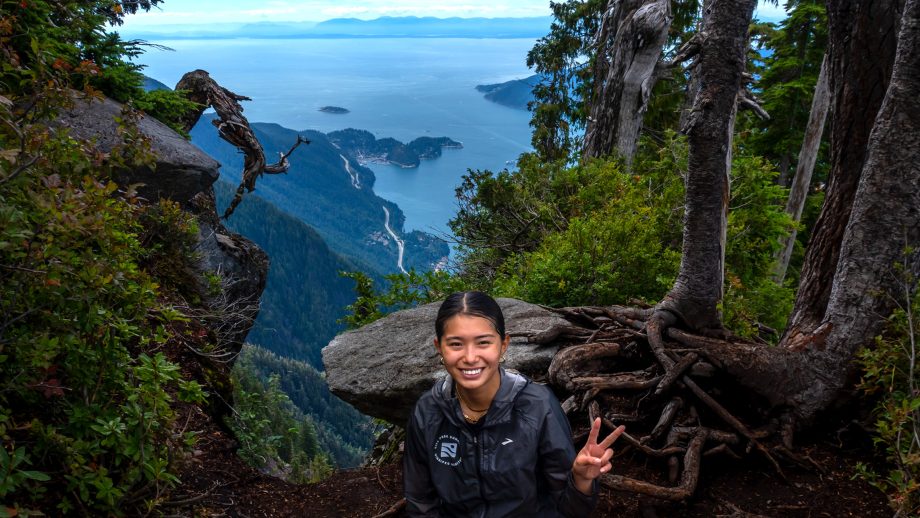
To help stop the negative implications of eutrophication, UWinnipeg student Allyza Tabirara, is trying to find ways to mitigate the issues.
Stories about research and innovation taking place on and off campus.
To help stop the negative implications of eutrophication, UWinnipeg student Allyza Tabirara, is trying to find ways to mitigate the issues.

Upon her first visit to the Royal Ontario Museum years ago, Dr. Yongshan He was drawn to the monumental scale and visual complexity of the medieval Chinese temple murals on display, which have inspired her research.

UWinnipeg’s world renowned expert on teaching math, Dr. Anna Stokke, has recently returned from Europe, where she delivered presentations and met with educators to explore what improves educational outcomes.
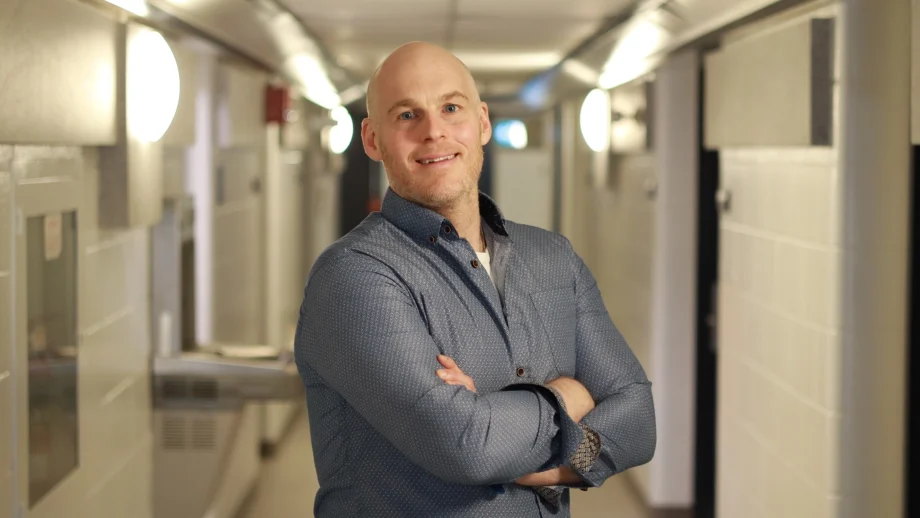
Dr. Brenton Button's SSHRC-funded research project will survey climate change attitudes among a group of local schoolchildren.
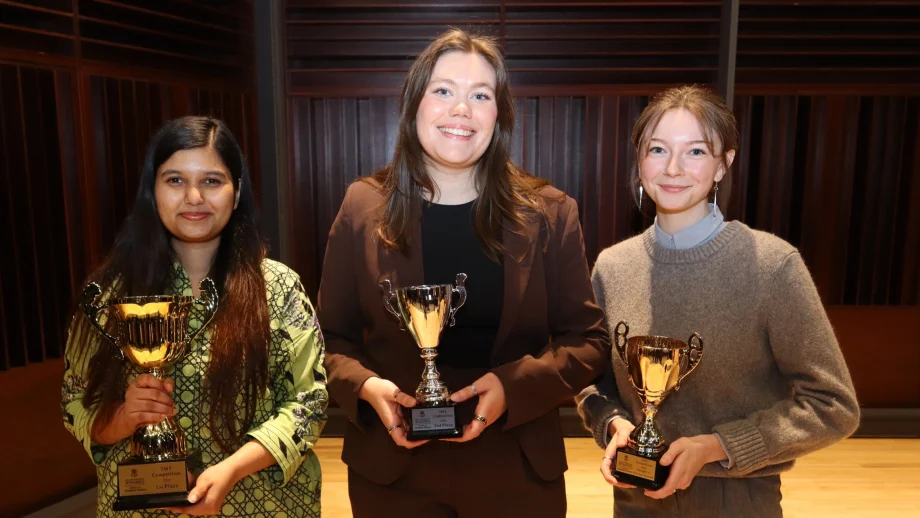
What do satellite imaging, brook trout, and sustainable energy have in common? They’re all topics that graduate students aced in 180 seconds flat during 3MT.
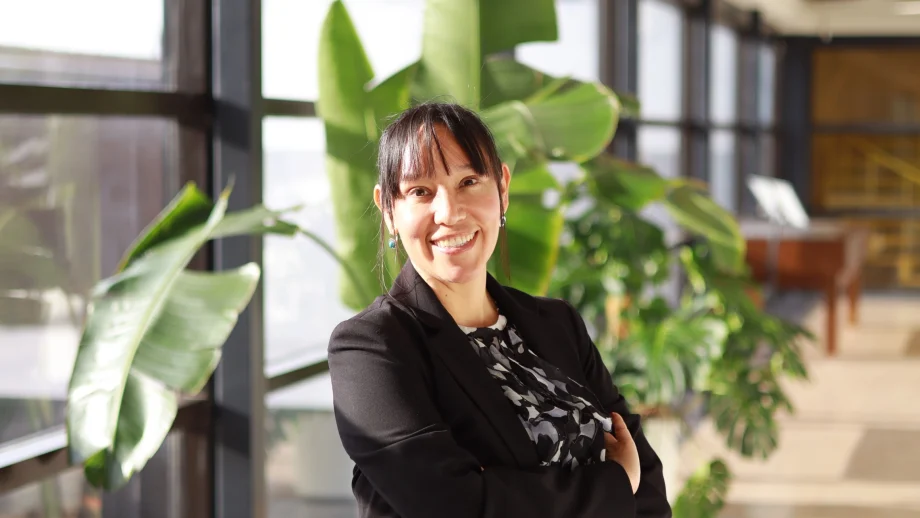
The Manitoba Consortium for Digital Agriculture will bring together academics, farmers, government, and industry partners.
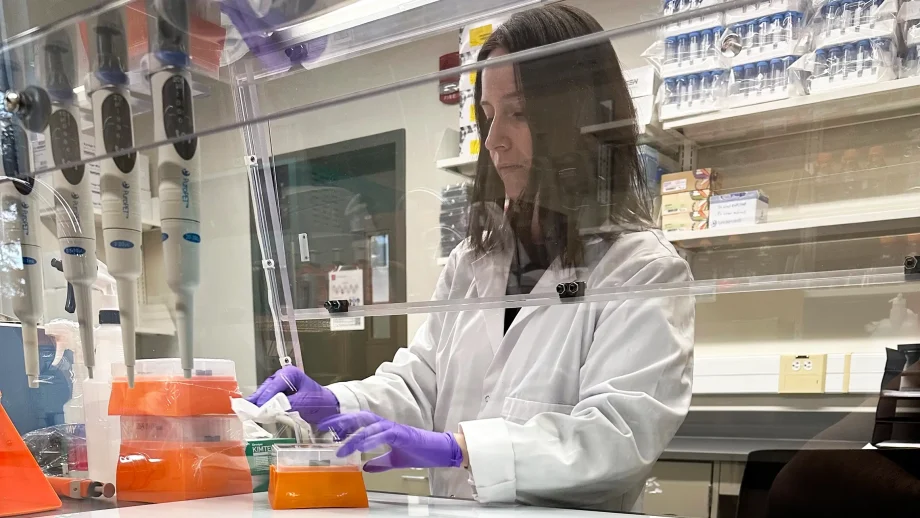
Dr. Emily Chase is the first person to ever study algal viruses in Lake Winnipeg, work that will contribute to building more accurate climate change models for the lake.
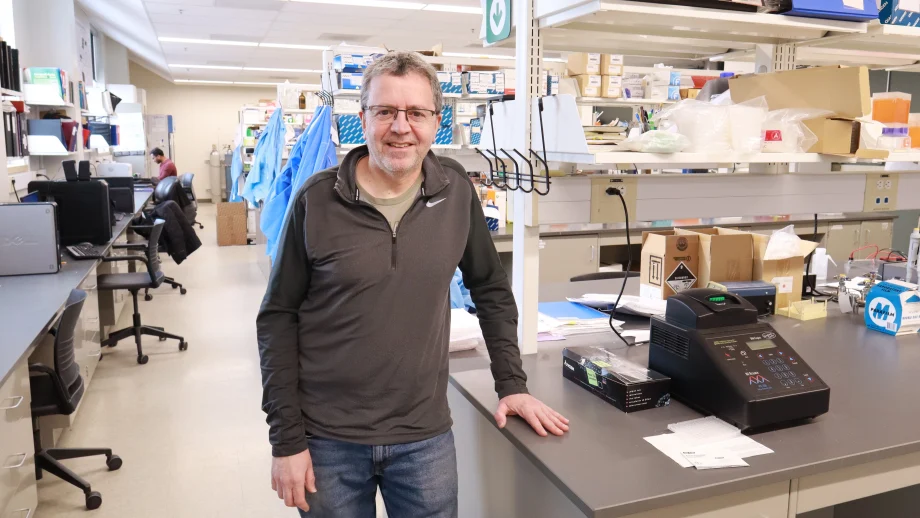
Dr. Civetta's findings are further evidence that new patterns in biology emerge only when gene evolutionary history is considered.

UWinnipeg Urban and Inner-City Studies Associate Professor, Julie Chamberlain, is wrapping up two multi-year research projects – one working to make city and provincial spaces more inclusive, and one that helps neighbourhoods access safety resources.
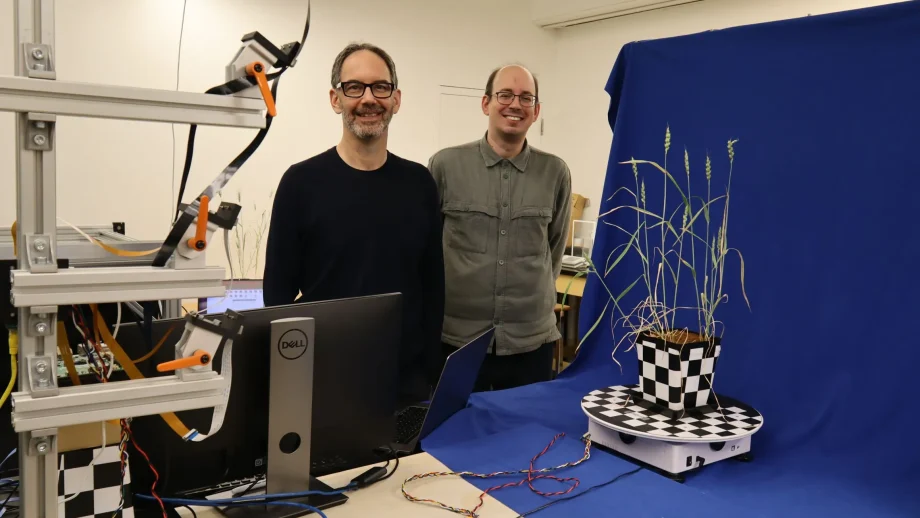
Dr. Chris Bidnosti and Dr. Michael Beck are leveraging digital technologies to speed up and automate much of the manual labour involved in plant science research.