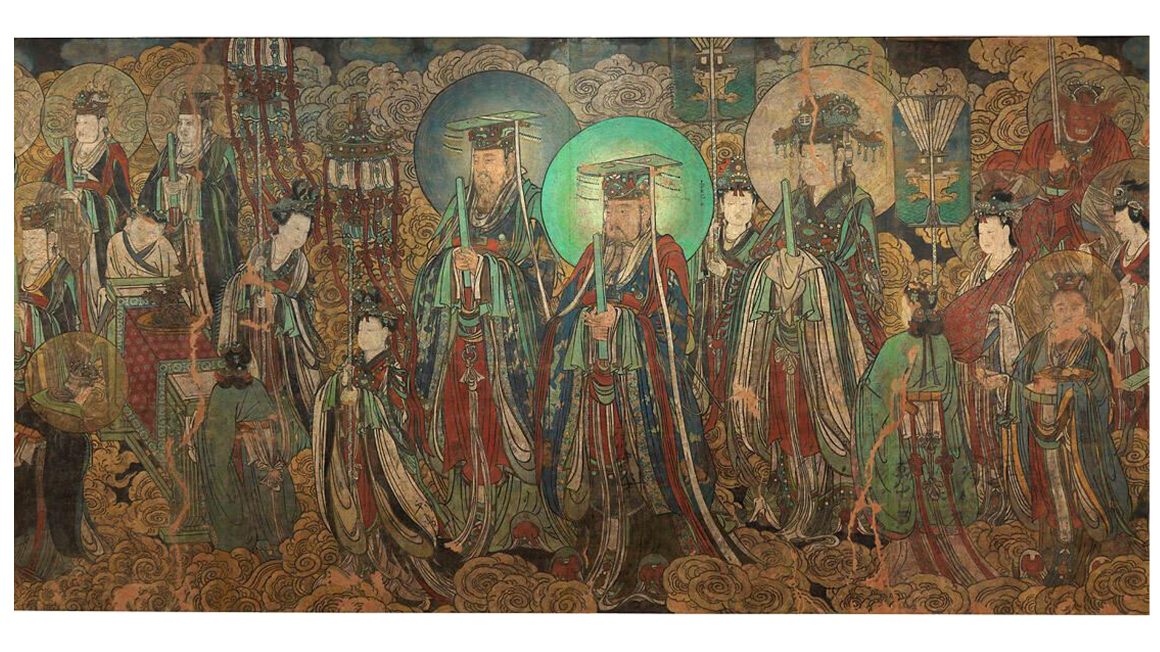
Upon her first visit to the Royal Ontario Museum (ROM) in Toronto many years ago, Dr. Yongshan He was drawn to the monumental scale and visual complexity of the medieval Chinese temple murals on display.
This enduring interest inspired her project titled Emotional Potency of Daoist Murals: From Medieval Chinese Temple to Contemporary Canadian Museum, which received an Insight Development Grant from the Social Sciences and Humanities Research Council of Canada (SSHRC).
Dr. He is interested in understanding how religion, art and emotion interact, while developing methodologies to access the embodied experience of a wider population in the past beyond the educated elites through epigraphical and visual sources.
To me, these murals function as a portal, offering a link to the lived experience and spiritual imagination of medieval China.
Dr. Yongshan He
This project melds these themes by studying the Daoist murals of the Heavenly Court, once adorned the walls of a Chinese temple that no longer exists. Created more than 700 years ago during the Yuan dynasty, centuries later, it still evokes emotion.
“I was also drawn to the profound religious cosmology encoded within the murals,” shared Dr. He. “To me, these murals function as a portal, offering a link to the lived experience and spiritual imagination of medieval China.”
Dr. He explains that decoding the visual language bridges the temporal gap to understand how these images constructed reality and evoked feeling and meaning for their viewers seven centuries ago and ultimately revealing a shared human experience across time..
More importantly, Dr. He’s project also addresses the need to decolonize the exhibition of Asian art in Canadian museums, “Historically, non-Western artifacts have often been displayed as exotic aesthetic objects, stripped of their ritual and ontological context. By centering the original affective intent of these murals, we challenge Eurocentric modes of viewing and restore agency to the objects.”
Dr. He’s approach offers a framework to present Asian heritage with greater historical nuance, ensuring that these ar
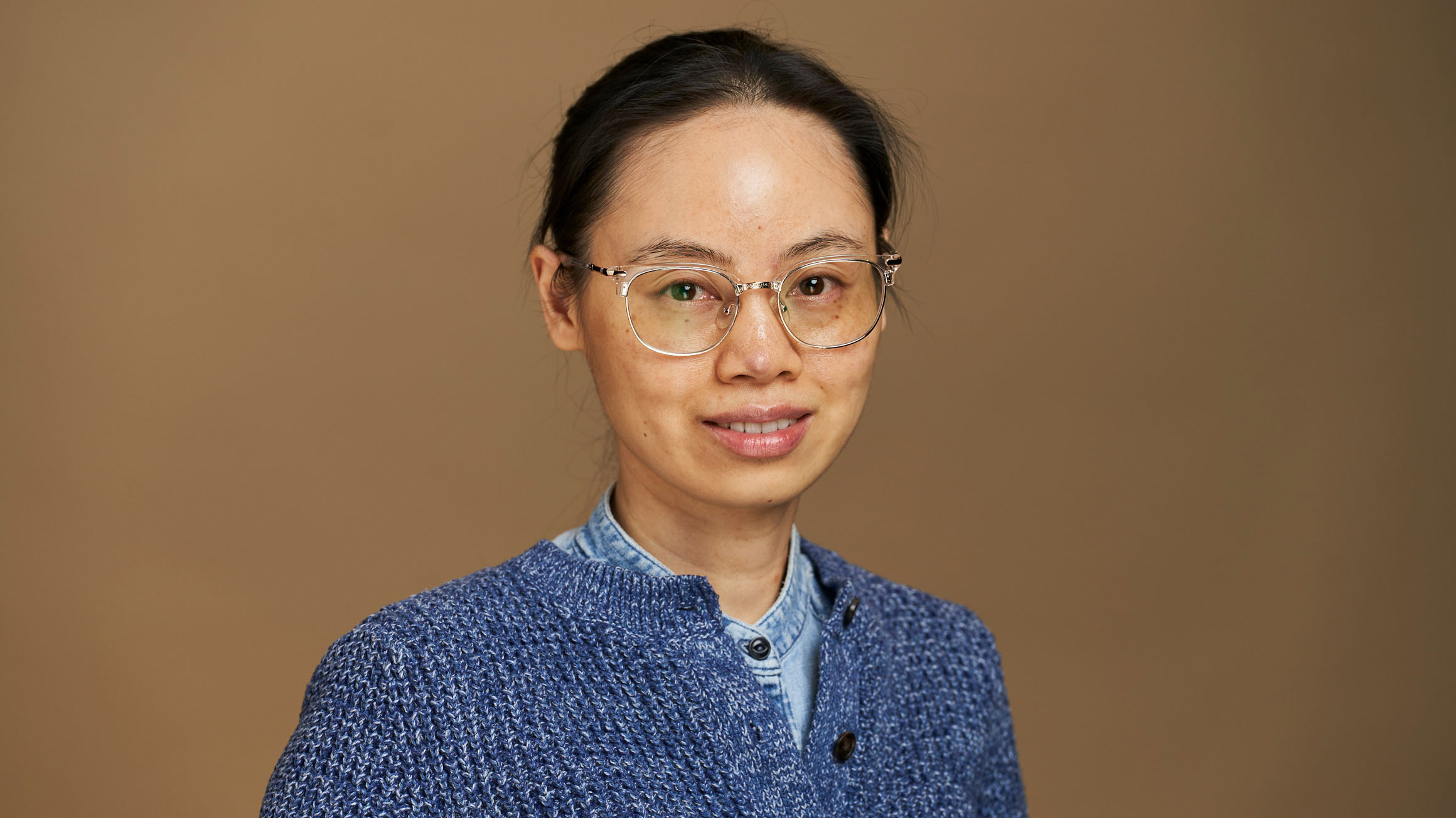
Dr. Yongshan He
tifacts are encountered as active agents of cultural meaning rather than passive objects.
He is an assistant professor in the Department of Religion and Culture. Besides this SSHRC project, she is also preparing her first monograph based upon her dissertation Making Faces for Buddha: Affect, Statue and State in Early Medieval China (400-600). Her teaching areas include Buddhism; Chinese religions, culture, and history; Chinese language; and her broader research interests cover Chinese religions, visual culture, and material culture.
May is Asian Heritage Month, an opportunity to learn more about the diverse culture and history of Asian communities in Canada. This year’s theme is: “Honouring Asian Canadians: Stories that Built Canada”.